What Does an Anion Gap of 0 Mean?
What Is the Anion Gap?
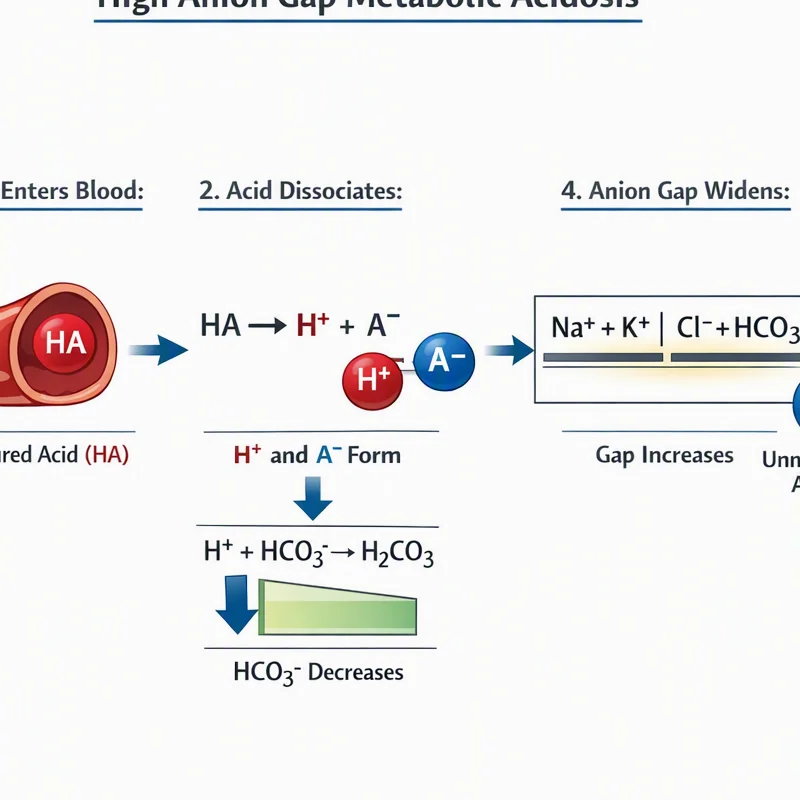
The anion gap is a calculated value that helps doctors assess electrolytes in the blood and understand acid-base balance. It is derived from common lab measurements, especially sodium, chloride, and bicarbonate. Because it is not directly measured, the anion gap is a useful clue rather than a diagnosis on its own.
In simple terms, the anion gap reflects the difference between positively charged and negatively charged particles in the bloodstream. The formula captures the relationship between major ions measured in a routine metabolic panel. A “gap” exists because some charged particles are not included in standard lab testing. These unmeasured components, including unmeasured anions and unmeasured cations, help explain why the number can shift in different medical conditions.
The result is often used in clinical interpretation of a blood chemistry panel. A result that falls within the expected reference range is usually comforting, while https://anion-gap-calculation.com/calculators/corrected-anion-gap.html values that are unusually low or high can point toward an electrolyte imbalance or an underlying cause that needs a closer look.
In what way an Anion Gap Calculator Operates
An Anion Gap Calculator draws from values from a basic metabolic panel or a similar electrolyte panel to calculate the anion gap. In most cases, the calculator uses sodium, chloride, and serum bicarbonate to deliver the result. Because the formula is numeric, the calculator is only as reliable as the blood values submitted into it.
A typical calculation compares sodium with chloride and bicarbonate. Different laboratories may use slightly different methods, which is why the reference interval can differ from one facility to another. That is one reason it is important to interpret the number in the context of the actual lab report rather than treating it as a universal cutoff.
The calculator can be helpful for spotting a low anion gap or a zero anion gap, but it should not be used in isolation. A meaningful test result depends on the full pattern of the metabolic panel, the patient’s symptoms, and related findings such as serum albumin and renal function.
In practice, the calculator is a first step for diagnostic evaluation. It helps direct whether more testing is needed and whether the result reflects a true physiological issue or a lab artifact. When the number is unexpectedly low, clinicians often review the raw lab values, since even a small shift in sodium, chloride, or bicarbonate can change the calculated value.
What Does an Anion Gap of 0 Mean?
An anion gap of 0 signifies the computed difference between the tested ions is virtually absent. This is rare and often leads to a thorough review of the report. A true zero anion gap is not equivalent to a normal result, and it does not automatically mean a life-threatening disease is present. Instead, it usually points to one of a several specific possibilities.
The first thing to consider is laboratory error. A lab error or other laboratory error can occur during sample collection, processing, or analysis, causing a low anion gap that is not real. Because the anion gap is calculated, a slight measurement issue in sodium, chloride, or bicarbonate can yield a surprising result. As a result, repeat testing is often the first logical step.
Another common explanation is hypoalbuminemia, or a low level of albumin in the blood. Serum albumin is one of the main unmeasured anions, so when it drops, the anion gap can decrease as well. In other words, a low albumin level can make the gap appear much lower than expected even when the rest of the chemistry panel looks stable.
This is why clinicians often perform albumin correction. Correcting for albumin helps clarify whether the low result is simply explained by the protein level or whether something else needs attention. In some cases, the corrected value is closer to the normal anion gap, which alters the overall interpretation significantly.
A result of 0 should therefore be viewed as a sign, not a diagnosis. The clinical meaning depends on the full picture: the blood chemistry pattern, the patient’s condition, and whether the low value persists on repeat testing.
Typical Causes of a Zero Anion Gap
A number of conditions can cause a zero anion gap or an extremely low one. Some are fairly harmless or related to testing, while others need additional evaluation. Testing error remains the most common cause, but a true low value can point to an important underlying problem.
Multiple myeloma is one notable cause. This condition can result in excess abnormal serum proteins, which may disrupt the charge balance in the blood. Related conditions such as paraproteinemia can have a similar effect. In these cases, the low gap may be a clue that triggers a broader medical assessment and additional blood work.
Medication exposure can also matter. Lithium is a classic cause of a low or zero anion gap because it behaves as an unmeasured cation. When present in significant amounts, it can lower the calculated difference in a way that stands out on the lab report.
More rarely, bromide can interfere with some testing methods or influence the calculation indirectly. Bromide exposure is uncommon, but it remains part of the differential diagnosis when the pattern is unusual and the result does not fit the rest of the clinical picture.
Other contributors can include shifts in magnesium and calcium, which are unmeasured cations and can influence the result if elevated enough. These abnormalities do not always cause a zero value by themselves, but they are part of the broader interpretation of an unexpected low anion gap.
In short, common causes include:
- hypoalbuminemia and low serum albumin
- laboratory error or other lab artifact
- multiple myeloma and paraproteinemia
- lithium exposure
- bromide interference or exposure
- changes in magnesium or calcium
Can a 0 Anion Gap Be Dangerous?
A 0 result is not inherently dangerous, but it still does warrant medical attention. The clinical significance relies on whether the result is correct and whether there are complaints or additional blood test abnormalities. If the finding is caused by lab artifact or a brief testing issue, it may have little to no health impact.
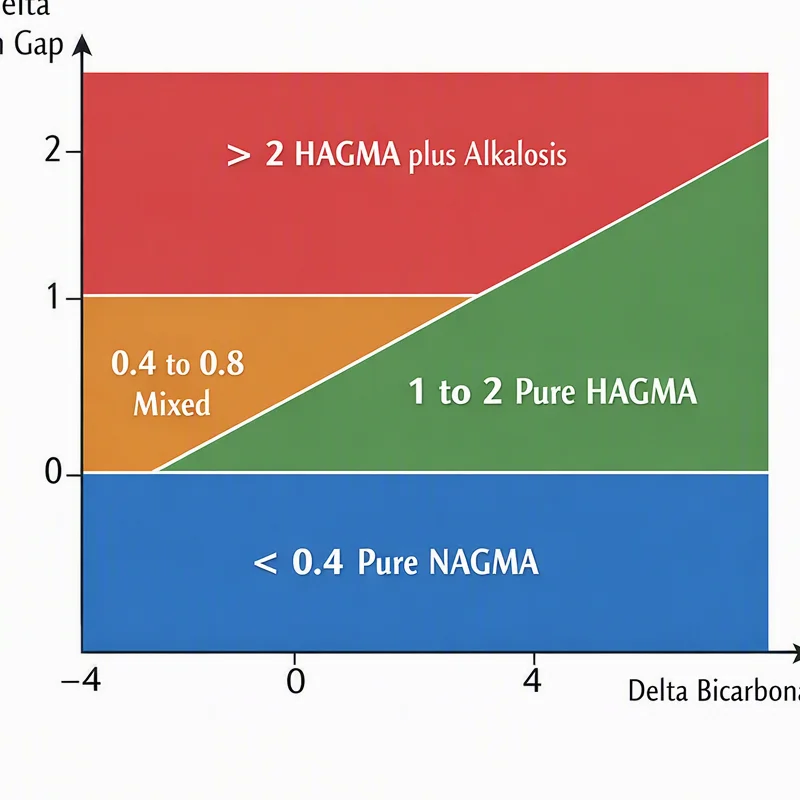
On the other hand, a real low reading can be a marker of a major problem. Sometimes it appears alongside metabolic acidosis, although a low anion gap is more often the opposite of what clinicians expect in standard metabolic acidosis evaluation. That is why the finding should be interpreted as part of the broader acid-base picture rather than in isolation.
It is also essential to remember that the normal range is never a single set number. Various labs use different methods and reference intervals, so a value that looks alarming in one setting may be less concerning in another. Still, a value of 0 is uncommon enough that it usually merits review.
The key question is whether the finding reflects a true change in acid-base balance or simply a math issue. A healthcare professional will usually look for supporting evidence before deciding how urgent the finding is. If the rest of the metabolic panel is normal and the patient feels fine, the next step may simply be rechecking with repeat testing and a closer look at albumin.
Why Doctors Check Next
If a very low or null result appears, doctors usually begin by confirming the finding. A second test is frequently the initial step because a one surprising value can result from sample handling, analyzer issues, or transcription problems. If the second test differs, the original result may have been due to error rather than a true physiological change.
Afterward, clinicians often review albumin correction. Since low albumin can lower the anion gap, measuring serum albumin helps determine whether hypoalbuminemia explains the result. If the corrected value returns to a normal anion gap, that clearly shifts the interpretation toward low protein levels rather than another disorder.
A more detailed blood test review may follow. Doctors review the complete basic metabolic panel, other components of the electrolyte panel, and the overall pattern of electrolyte abnormalities. If the chloride or bicarbonate is unusual, that may explain the calculation. When the pattern seems inconsistent, more targeted evaluation may be needed.
In light of the situation, a clinician may order additional testing for renal function, serum proteins, or possible toxin exposure. The goal is to identify whether the low value reflects a temporary issue, a medication effect, or a more significant disorder such as paraproteinemia.
In most cases, the process is structured and clinical:
- confirm the result with repeat testing
- measure serum albumin and perform albumin correction
- examine the full metabolic panel for electrolyte abnormalities
- consider medications, exposures, and serum proteins
- order follow-up tests if the low value persists
When to Seek Medical Guidance
When you receive an unexpectedly low or zero result, it is reasonable to reach out to a doctor for advice, particularly if you have symptoms. The result itself may not be an emergency, but it can be a signal that additional evaluation is appropriate.
Get medical advice sooner if you have symptoms such as tiredness, disorientation, or breathlessness. These can occur with various conditions and are not specific to a low anion gap, but they may indicate a broader medical issue that needs care. The presence of symptoms makes the overall clinical interpretation more important than the number alone.
When you also have known kidney disease, abnormal proteins, medication exposure such as lithium, or a history of unexplained blood test changes, the finding may warrant a more thorough medical assessment. The right next step depends on the overall context, not just the calculator output.
Keep in mind that the Anion Gap Calculator is a tool for interpreting lab data, not a substitute for professional diagnosis. It can highlight a potential issue, but only a healthcare professional can determine whether the result is significant, whether repeat testing is needed, and whether the issue relates to albumin, a lab problem, or another underlying cause.
FAQs About an Anion Gap of 0
What is regarded as a normal anion gap?
A standard anion gap lies within the laboratory’s normal range, which can change with the testing method and reporting style. Because each lab may use a different reference interval, the best interpretation is the one listed on your report. A result that sits outside that range may warrant review, especially if other lab results are abnormal.
Can an anion gap of 0 be a lab error?
Yes. A laboratory error or lab artifact is one of the most common explanations for a very low or zero result. Since the anion gap is a calculated value, even a small problem in sodium, chloride, or bicarbonate measurement can create a misleading number. That is why retesting is usually recommended first.
Does low albumin cause an anion gap of 0?
Yes, low albumin can significantly lower the anion gap because serum albumin is one of the main unmeasured anions in blood. In some cases, it can bring the number all the way down to 0. This is why albumin correction is an important part of the clinical interpretation.
What conditions can cause a very low or zero anion gap?
Possible causes include multiple myeloma, abnormal proteins in the blood, lithium treatment exposure, bromide, reduced albumin, and testing error. Changes in blood magnesium and calcium levels can also contribute. A clinician will use the broader medical evaluation to determine the likely primary cause.
Should I speak with a doctor if my anion gap is 0?
Yes, it is a good idea to discuss it with a clinician, especially if the result is confirmed or if you have complaints such as low energy, disorientation, or difficulty breathing. A single low result may not be dangerous, but it should be reviewed in context. Your doctor may recommend retesting, checking albumin levels, and looking for other electrolyte abnormalities or signs of a larger issue.